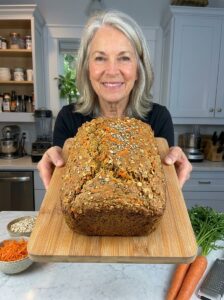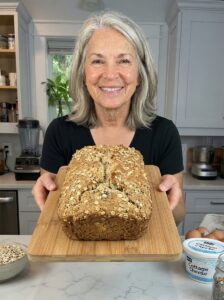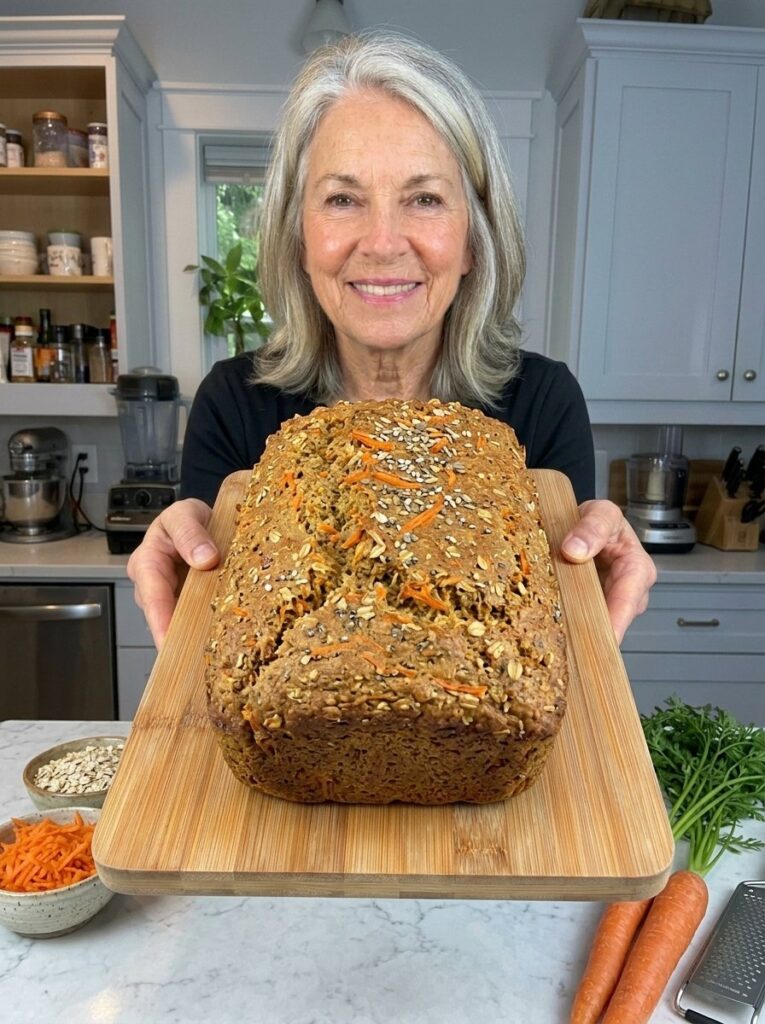
If you want a homemade loaf that is moist, hearty and genuinely satisfying, this high-protein carrot bread is a recipe worth keeping on hand. It combines freshly grated carrots, creamy cottage cheese, eggs and oat flour with a few simple seasonings, then bakes into a tender, golden loaf with a soft crumb and a gently savory flavor. There is no wheat flour, no yeast and no kneading. You blend, stir, fold, pour and bake.
Unlike many carrot breads that lean sweet like carrot cake, this one is savory. Garlic powder, black pepper and optional Parmesan give it a flavor that suits toast, sandwiches and soup, while the carrots add natural sweetness, moisture and a lovely speckled color. It is a great option for breakfast, meal prep and afternoon snacks.
In this complete guide you will learn what high-protein carrot bread is, why it works so well, how each ingredient contributes, how to make it step by step and how to avoid the most common mistakes. You will also find variations, serving ideas, storage tips, a recipe card and answers to the questions bakers ask most often.
What Is High-Protein Carrot Bread?
High-protein carrot bread is a savory, flourless quick bread made from finely grated carrots, blended cottage cheese, eggs and oat flour, lifted with baking powder and seasoned with garlic powder, salt and black pepper. Instead of wheat flour, the loaf uses oat flour as its dry base, while the eggs and cottage cheese provide structure, richness and a generous amount of protein.
When the batter is baked, it sets into a soft, sliceable loaf. The texture is tender and moist, somewhere between a dense quick bread and a soft sandwich loaf. It is not a fluffy yeast bread, and it is not meant to be. It is a wholesome, filling loaf with a mild, savory flavor and a golden crust.
The word “protein” in the name comes from the combination of cottage cheese, eggs and oats, all of which contribute protein. Optional Parmesan and chia seeds add a little more flavor, protein and fiber.
Why You’ll Love This High-Protein Carrot Bread
It is high in protein. Cottage cheese, eggs and oat flour all contribute protein, which makes each slice more filling than ordinary white bread.
It is moist and tender. Cottage cheese and carrots keep the crumb soft without any butter or oil.
It is savory and versatile. The garlic, pepper and optional Parmesan make it ideal for sandwiches, toast with toppings and serving alongside meals.
It is flourless. There is no wheat flour in the recipe. If you need to avoid gluten for medical reasons, choose certified gluten-free oat flour.
It sneaks in vegetables. Fresh carrots add color, natural sweetness and nutrients, making it an easy way to add vegetables to a loaf.
It is easy and beginner friendly. There is no yeast, no kneading and no rising time. A blender, a bowl and a loaf pan are all you need.
It is great for meal prep. The loaf slices neatly, stores well and freezes beautifully, making it a handy grab-and-go option.
It is made with affordable ingredients. Carrots, cottage cheese, eggs and oats are budget friendly and easy to find.
Ingredient Breakdown
Finely Grated Carrots (1 cup / 100 g)
Carrots bring moisture, natural sweetness, color and a tender texture. Grate them finely rather than coarsely so they distribute evenly through the batter and bake without leaving wet pockets. If your carrots are especially juicy, gently squeeze out the excess moisture with your hands or a clean towel. You do not need to wring them dry, only to remove the surplus water that could make the loaf gummy.
Use fresh, firm carrots when possible. Very thick, pre-shredded carrots can leave chunky, uneven pieces in the crumb.
Cottage Cheese (1 cup / 225 g)
Cottage cheese provides moisture, creaminess, protein and a mild, tangy flavor. When blended with the eggs, it becomes smooth and acts like a rich, dairy-based batter that keeps the loaf soft and tender.
Full-fat or low-fat cottage cheese both work. Full-fat gives a richer, softer crumb, while low-fat gives a slightly lighter loaf. If your cottage cheese looks watery, drain off the excess liquid before measuring so the batter does not become too wet.
Eggs (3 large)
Eggs are the binder. They hold the oat flour, carrots and cottage cheese together, add structure and contribute richness and protein. Large eggs at room temperature blend more evenly into the cottage cheese and help the loaf set properly.
Oat Flour (1 1/2 cups / 135 g)
Oat flour gives the loaf its structure and a soft, wholesome crumb with a mild, nutty flavor. You can buy oat flour or make your own by blending rolled oats in a blender or food processor until they form a fine powder. If you make your own, measure the flour after blending, since oats lose volume when ground.
Oat flour absorbs liquid more slowly than wheat flour, so the batter may thicken as it rests. If you need the bread to be gluten-free, choose oat flour that is certified gluten-free, because regular oats are often processed alongside wheat.
Baking Powder (1 teaspoon)
Baking powder gives the loaf a gentle lift so it is not overly dense. Check that yours is fresh, since old baking powder loses its power and the bread will bake up flatter and heavier.
Garlic Powder (1/2 teaspoon), Salt (1/2 teaspoon) and Black Pepper (1/4 teaspoon)
These seasonings turn a mild batter into a flavorful savory loaf. Cottage cheese and Parmesan both contain salt, so check your brands and adjust if you are watching your sodium.
Shredded Parmesan Cheese (1/4 cup / 25 g, optional)
Parmesan adds a salty, nutty depth and a little extra protein. It also helps the loaf develop a more flavorful crust. Use finely shredded Parmesan so it distributes evenly.
Chia Seeds (1 tablespoon, optional)
Chia seeds add fiber, healthy fats and a little extra moisture absorption, which can help the loaf hold together. They are optional and do not noticeably change the flavor.
Equipment You Will Need
- A small loaf pan (about 8 x 4 inches or similar)
- Parchment paper
- A blender or food processor
- A large mixing bowl
- A box grater or food processor grating disc
- A spatula
- A wire rack for cooling
A smaller loaf pan gives a taller, better-shaped loaf. In a very large pan the batter will spread out and bake into a thin slab.
How to Make High-Protein Carrot Bread (Step by Step)
Step 1: Preheat and Prepare the Pan
Preheat your oven to 350°F (175°C). Line a small loaf pan with parchment paper, leaving a little overhang on the sides so the loaf is easy to lift out after baking.
Step 2: Grate the Carrots
Grate the carrots finely and measure out 1 cup (100 g). If they feel especially watery, gently squeeze out some of the excess moisture.
Step 3: Blend the Cottage Cheese and Eggs
Add the cottage cheese and eggs to a blender or food processor and blend until mostly smooth. A few tiny curds are fine. Blending breaks down the cottage cheese so the batter bakes up smooth and even instead of lumpy.
Step 4: Mix in the Dry Ingredients
Transfer the blended mixture to a large bowl. Stir in the oat flour, baking powder, garlic powder, salt and black pepper until just combined and no dry pockets remain.
Step 5: Fold in the Carrots and Extras
Fold in the grated carrots, along with the optional Parmesan and chia seeds. Folding gently keeps the carrots evenly distributed without overworking the batter.
Step 6: Pour and Smooth
Pour the batter into the prepared loaf pan. Use a spatula to press it into the corners and smooth the top so the loaf bakes evenly.
Step 7: Bake
Bake for 40 to 50 minutes, or until the center is fully set and a toothpick inserted into the middle comes out without wet batter. Ovens vary, so begin checking at around 40 minutes. If the top browns too quickly, loosely cover the pan with foil for the last few minutes.
Step 8: Cool in the Pan
Let the bread cool in the pan for 10 to 15 minutes, then lift it out using the parchment and transfer it to a wire rack.
Step 9: Cool Completely Before Slicing
Allow the loaf to cool completely before slicing. The crumb continues to set as it cools, and waiting gives you a firmer texture and cleaner slices.
Expert Tips for the Best Carrot Protein Bread
Grate the carrots finely. Fine shreds distribute moisture evenly and create a tender crumb. A food processor with a fine grating disc saves time.
Squeeze very watery carrots lightly. Remove surplus moisture, but do not wring them dry. The natural moisture helps keep the loaf soft.
Drain watery cottage cheese. If you see liquid pooling on top, pour it off before measuring. Too much moisture leads to a gummy loaf.
Blend the cottage cheese and eggs well. A smoother base means a more even crumb.
Do not overmix. Stir only until the ingredients are combined for a more tender loaf.
Check your oat flour. Different brands absorb liquid differently. If the batter seems very stiff, add a tablespoon of milk. If it seems loose, add a spoonful of oat flour.
Use parchment paper. The moist loaf can stick to the pan. Parchment makes removal effortless.
Test for doneness. The center should be fully set, and a toothpick should come out without wet batter. Because this loaf is dense and moist, it can take the full baking time.
Cool completely. Patience gives you cleaner slices and a firmer, better texture.
Toast the slices. Toasting dries the surface slightly, adds a crisp edge and makes the bread sturdier for sandwiches and toppings.
Delicious Variations
Herb loaf. Add dried Italian herbs, thyme or rosemary, or fold in fresh parsley or chives for a more aromatic bread.
Cheddar carrot bread. Replace the Parmesan with shredded cheddar for a sharper, melty flavor.
Spicy version. Add chili flakes, a pinch of cayenne or finely chopped jalapeño for gentle heat.
Seeded top. Sprinkle sesame seeds, sunflower seeds or pumpkin seeds over the batter before baking for extra crunch.
Carrot and zucchini loaf. Replace a portion of the carrots with finely grated, well-squeezed zucchini for a lighter, greener loaf.
Smoky version. Add smoked paprika for a warm, smoky flavor.
Lightly sweet carrot loaf. Leave out the garlic and pepper and add cinnamon and a touch of honey or maple syrup for a milder breakfast bread.
Muffins or mini loaves. Divide the batter among muffin cups and bake for a shorter time, starting to check at around 22 to 28 minutes, for portable single-serve bites.
Keep in mind that extra mix-ins change the moisture balance, so add them in small amounts and keep the batter thick.
What to Serve With High-Protein Carrot Bread
This bread is delicious on its own, but it also makes a great base for toppings and meals:
- Cream cheese: Spread on a toasted slice for a creamy, tangy contrast.
- Scrambled or fried eggs: Top with eggs for a protein-rich breakfast.
- Avocado and eggs: Layer toasted slices with sliced avocado and a soft-boiled or fried egg.
- Smoked salmon: Pair with smoked salmon, cream cheese and a squeeze of lemon.
- Hummus and cucumber: A light, refreshing snack.
- Soup side: Serve alongside tomato soup, lentil soup or vegetable soup for a satisfying meal.
- Sandwiches: Use two slices as a protein-rich sandwich bread with turkey, chicken or roasted vegetables.
- Cottage cheese and herbs: Top a slice with more cottage cheese and fresh herbs for an extra protein boost.
Storage and Make-Ahead Tips
In the refrigerator: Because this bread contains eggs, cottage cheese and fresh carrots, store it in an airtight container in the refrigerator for up to 4 days.
In the freezer: Freeze individual slices for convenient breakfasts and snacks. Place parchment paper between the slices and store them in a freezer-safe bag or container for up to 2 to 3 months. Toast slices straight from frozen or thaw them in the refrigerator.
At room temperature: The loaf is best not left out for long periods, so enjoy slices soon after they come out of the refrigerator or toaster.
Reheating: Warm slices in a toaster, toaster oven or a dry skillet over medium heat until heated through and lightly crisp on the edges.
Meal-prep tip: Bake a loaf at the start of the week, slice it, and keep a few slices in the refrigerator and the rest in the freezer so you always have a high-protein option ready.
Recipe Card: High-Protein Carrot Bread
Prep time: 15 minutes Cook time: 40 to 50 minutes Cooling time: 10 to 15 minutes in the pan, then until completely cool Servings: About 8 slices Course: Breakfast, snack, side Cuisine: Healthy, savory
Ingredients
- 1 cup (100 g) finely grated carrots
- 1 cup (225 g) cottage cheese
- 3 large eggs
- 1 1/2 cups (135 g) oat flour
- 1 teaspoon baking powder
- 1/2 teaspoon garlic powder
- 1/2 teaspoon salt
- 1/4 teaspoon black pepper
- 1/4 cup (25 g) shredded Parmesan cheese (optional)
- 1 tablespoon chia seeds (optional)
Instructions
- Preheat the oven to 350°F (175°C). Line a small loaf pan with parchment paper.
- Grate the carrots finely. If they are especially watery, gently squeeze out the excess moisture.
- Blend the cottage cheese and eggs until mostly smooth.
- Transfer the mixture to a bowl and stir in the oat flour, baking powder, garlic powder, salt and black pepper.
- Fold in the grated carrots, optional Parmesan and chia seeds.
- Pour the batter into the prepared loaf pan and smooth the top.
- Bake for 40 to 50 minutes, until the center is fully set and a toothpick inserted into the middle comes out without wet batter.
- Let the bread cool in the pan for 10 to 15 minutes, then transfer it to a wire rack.
- Allow it to cool completely before slicing for a firmer texture.
Frequently Asked Questions
Is this carrot bread sweet or savory?
It is savory. The carrots add a little natural sweetness, but the garlic, pepper and optional Parmesan make it taste like a savory bread rather than a carrot cake. If you prefer a sweeter version, replace the savory seasonings with cinnamon and a little honey.
Does it taste like cottage cheese?
It has a mild, savory, slightly tangy flavor, but it does not taste strongly of cottage cheese. Blending the cheese until smooth and adding seasonings turns it into a creamy, flavorful loaf, and toasting the slices makes it taste more like a traditional bread.
Can I use low-fat or full-fat cottage cheese?
Both work. Full-fat cottage cheese gives a richer, softer crumb, while low-fat gives a slightly lighter loaf. Drain off excess liquid from either type before measuring.
Can I make my own oat flour?
Yes. Blend plain rolled oats in a blender or food processor until they form a fine powder, then measure out 1 1/2 cups (135 g). For a gluten-free loaf, use certified gluten-free oats.
Do I have to use the Parmesan and chia seeds?
No. Both are optional. Parmesan adds extra flavor and a savory crust, and chia seeds add fiber and a bit of extra structure. The loaf is still delicious without them.
Can I use pre-shredded carrots?
You can, but fine grating at home usually gives a better texture. If you use pre-shredded carrots, chop them smaller or pulse them in a food processor so they blend evenly into the batter.
Why is my bread gummy in the middle?
Gummy texture usually comes from too much moisture, underbaking or slicing before the loaf has cooled. Squeeze very watery carrots, drain the cottage cheese, bake until the center is fully set and cool the loaf completely before cutting.
Why is my bread dry or crumbly?
Dryness can come from overbaking or very absorbent oat flour. Remove the loaf from the oven once a toothpick comes out without wet batter, and add a tablespoon of milk if the batter seems extremely stiff before baking.
Is this bread gluten-free?
Oat flour contains no wheat, so the base ingredients are naturally gluten-free. However, oats are often processed alongside wheat, so if you need to avoid gluten for medical reasons, choose certified gluten-free oat flour and check that your baking powder is also gluten-free.
Is this bread vegan or dairy-free?
No. The recipe relies on eggs and cottage cheese, so it is vegetarian but not vegan or dairy-free. Replacing them would change the texture significantly, so it is best to follow the original recipe for reliable results.
How much protein does this bread have?
Cottage cheese, eggs, oat flour and optional Parmesan all contribute protein, so the loaf is more protein-rich than ordinary bread. Exact amounts depend on your brands, the fat content of your cottage cheese and how many slices you cut, so a nutrition calculator will give you the most accurate figure.
Can I double the recipe?
Yes. Double all ingredients and divide the batter between two small loaf pans or use a larger pan, adding extra baking time as needed. Check that the center is fully set before removing it from the oven.
Final Thoughts
This high-protein carrot bread proves that a wholesome, filling loaf can be simple, savory and genuinely delicious. With grated carrots, cottage cheese, eggs and oat flour, plus a few pantry seasonings, you can bake a moist, golden bread that works for breakfast, meal prep and snacks. It is easy to customize, simple enough for beginners and wonderfully versatile.
Enjoy it toasted with cream cheese, topped with scrambled eggs or served alongside a warm bowl of soup. However you serve it, every slice delivers homemade goodness.
Print
High-Protein Carrot Bread: Moist, Hearty and Savory
Description
Prep time: 15 minutes Cook time: 40 to 50 minutes Cooling time: 10 to 15 minutes in the pan, then until completely cool Servings: About 8 slices Course: Breakfast, snack, side Cuisine: Healthy, savory
Ingredients
- 1 cup (100 g) finely grated carrots
- 1 cup (225 g) cottage cheese
- 3 large eggs
- 1 1/2 cups (135 g) oat flour
- 1 teaspoon baking powder
- 1/2 teaspoon garlic powder
- 1/2 teaspoon salt
- 1/4 teaspoon black pepper
- 1/4 cup (25 g) shredded Parmesan cheese (optional)
- 1 tablespoon chia seeds (optional)
Instructions
- Preheat the oven to 350°F (175°C). Line a small loaf pan with parchment paper.
- Grate the carrots finely. If they are especially watery, gently squeeze out the excess moisture.
- Blend the cottage cheese and eggs until mostly smooth.
- Transfer the mixture to a bowl and stir in the oat flour, baking powder, garlic powder, salt and black pepper.
- Fold in the grated carrots, optional Parmesan and chia seeds.
- Pour the batter into the prepared loaf pan and smooth the top.
- Bake for 40 to 50 minutes, until the center is fully set and a toothpick inserted into the middle comes out without wet batter.
- Let the bread cool in the pan for 10 to 15 minutes, then transfer it to a wire rack.
- Allow it to cool completely before slicing for a firmer texture.