Why Chickpea and Cottage Cheese Bread Is Worth Making
Bread has a reputation as a comfort food that is easy to love but not always easy to feel great about. This chickpea and cottage cheese bread changes that. It is soft, tender, and golden on the outside, yet it is built on protein-rich ingredients that make it far more satisfying than a standard slice of white bread.
The base of the loaf is a simple combination of cooked chickpeas and cottage cheese, blended until creamy. Eggs and olive oil bring richness and structure, oat flour adds gentle body, and baking powder lifts everything so you do not need yeast, proofing, or kneading. You blend, stir, pour, and bake. About an hour later, your kitchen smells like warm, fresh bread and you have a loaf that works for breakfast, sandwiches, snacks, and everything in between.
This recipe is ideal for people who want to add more protein and fiber to their day, anyone looking for a simple no-yeast bread, and home cooks who like recipes that rely on everyday pantry and fridge staples. It also happens to be wonderfully forgiving, with only nine ingredients, two of which are optional.
In this guide you will find the complete recipe, a breakdown of why each ingredient matters, step-by-step instructions with practical tips, ideas for flavor variations, serving suggestions, storage advice, and answers to the most common questions about chickpea and cottage cheese bread.
What Is Chickpea and Cottage Cheese Bread?
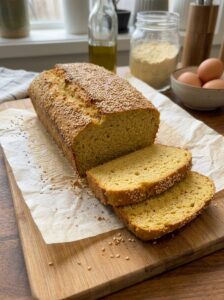
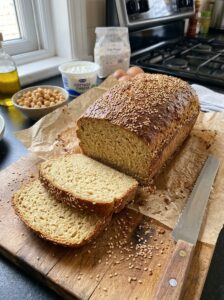
Chickpea and cottage cheese bread is a yeast-free quick bread made from a blended base of cooked chickpeas and cottage cheese. Instead of relying on a large amount of wheat flour, the structure comes from a combination of blended legumes, dairy, eggs, and a modest amount of oat flour. The result is a loaf that is moist, tender, and noticeably more filling than conventional bread.
Here is what makes this loaf special:
- High in protein. Chickpeas, cottage cheese, and eggs all contribute protein, which makes each slice satisfying and helps keep you full longer.
- A good source of fiber. Chickpeas and oat flour both bring dietary fiber.
- No yeast required. Baking powder does the lifting, so there is no rising time and no kneading.
- Simple, wholesome ingredients. You can recognize every item in the ingredient list.
- Minimal flour. Only half a cup of oat flour is used, which makes this a lighter, more nutrient-dense alternative to many traditional loaves.
- Quick to prepare. The food processor does most of the work, and cleanup is minimal.
Ingredients for Chickpea and Cottage Cheese Bread
- 1 1/2 cups (250 g) cooked chickpeas, drained
- 1 cup (225 g) cottage cheese
- 2 eggs
- 1/2 cup (50 g) oat flour
- 1 teaspoon baking powder
- 1/2 teaspoon salt
- 1 tablespoon olive oil
- 1 tablespoon sesame seeds (optional)
- 1/2 teaspoon garlic powder (optional)
A Closer Look at the Ingredients
Cooked chickpeas. Chickpeas are the foundation of this bread. Once blended, they become creamy and smooth, giving the loaf a tender, moist crumb. You can use canned chickpeas that have been thoroughly drained, or cook dried chickpeas at home until they are very soft. If you use canned chickpeas, rinse them well to reduce excess salt and the canning liquid, then drain them thoroughly. Too much leftover liquid can make the batter too wet.
Cottage cheese. Cottage cheese adds protein, creaminess, and a mild tangy flavor. It blends into the chickpeas and helps create a soft, almost custard-like interior. Full-fat, low-fat, and small-curd varieties all work. Full-fat cottage cheese will give you the richest flavor and most tender texture, while lower-fat versions produce a slightly lighter loaf.
Eggs. Eggs bind the ingredients together, add structure, and help the bread set as it bakes. They also contribute to the golden color and a slightly springy texture.
Oat flour. Oat flour gives the batter body without making it heavy. It has a mild, slightly sweet flavor that complements the chickpeas. You can buy oat flour or make your own by blending old-fashioned rolled oats in a blender or food processor until they form a fine powder. If you need the bread to be gluten-free, choose oats or oat flour that are certified gluten-free.
Baking powder. This is the leavening agent that lifts the loaf and gives it a soft crumb without yeast. Make sure your baking powder is fresh. Old baking powder loses its power and can leave you with a dense loaf.
Salt. Salt brings out the flavor of the chickpeas and balances the mild taste of the cottage cheese. Without it, the bread can taste flat.
Olive oil. A single tablespoon adds richness, helps keep the crumb moist, and gives the bread a subtle, savory depth.
Sesame seeds (optional). Sprinkled on top, sesame seeds toast as the bread bakes and add a nutty flavor and a crunchy, bakery-style finish.
Garlic powder (optional). A small amount adds savory warmth that makes the loaf especially good for sandwiches and as a side with soups and salads.
Equipment You Will Need
- A food processor or high-powered blender
- A small loaf pan
- Parchment paper
- A mixing bowl and spatula
- Measuring cups and spoons
- A wire cooling rack
A small loaf pan works best for this recipe because the batter is thick and makes a compact loaf. If you only have a standard-size loaf pan, the bread will bake up flatter and may need a slightly shorter baking time, so check it a little early.
How to Make Chickpea and Cottage Cheese Bread
Step 1: Preheat the Oven
Preheat your oven to 375 degrees Fahrenheit (190 degrees Celsius). A properly heated oven helps the loaf rise and set evenly, so give it enough time to reach temperature before the bread goes in.
Step 2: Line the Loaf Pan
Line a small loaf pan with parchment paper. Leave a little overhang on the long sides so you can lift the finished loaf out easily. Parchment prevents sticking, which is especially helpful for a high-moisture bread like this one.
Step 3: Blend the Chickpeas and Cottage Cheese
Add the cooked chickpeas and cottage cheese to a food processor. Blend until the mixture is mostly smooth and creamy. Stop and scrape down the sides of the bowl a couple of times so everything is evenly blended. A few tiny bits of chickpea are fine, but the base should look creamy rather than chunky.
Step 4: Add the Eggs and Olive Oil
Add the eggs and olive oil to the food processor and blend again until the mixture is well combined and smooth. The eggs should be fully incorporated, with no streaks.
Step 5: Transfer to a Bowl
Transfer the mixture to a mixing bowl. Using a separate bowl makes it easier to fold in the dry ingredients without overworking the batter or overfilling the food processor.
Step 6: Add the Dry Ingredients
Stir in the oat flour, baking powder, salt, and garlic powder if you are using it. Mix until a thick, uniform batter forms. The batter should be thick, more like a dense cake batter or thick hummus than a pourable pancake batter. Do not worry if it looks heavy. That is exactly what you want.
Step 7: Fill the Pan
Pour or spoon the batter into the prepared loaf pan. Use a spatula to spread it evenly into the corners and smooth the top. Tap the pan gently on the counter to settle the batter.
Step 8: Add the Topping
Sprinkle the sesame seeds evenly over the top of the batter. If you like, press them in lightly so they stay in place as the bread bakes.
Step 9: Bake
Bake for 40 to 50 minutes, until the loaf is firm to the touch and golden on top. The exact time depends on your oven and your loaf pan. Start checking at around 40 minutes. A toothpick inserted in the center should come out mostly clean, and the top should feel set rather than wobbly. If the top browns too quickly before the center is set, cover the loaf loosely with a piece of foil for the remaining time.
Step 10: Cool Completely
Let the loaf cool completely before slicing. This step is important. The bread continues to set as it cools, and cutting it too soon can make the center seem gummy or fall apart. Lift the loaf out using the parchment overhang, place it on a wire rack, and let it cool all the way to room temperature. Then slice and enjoy.
Tips for the Best Chickpea and Cottage Cheese Bread
- Drain the chickpeas well. Extra moisture makes the loaf dense and heavy. Pat the chickpeas dry with a clean towel if they seem wet.
- Blend until creamy. The smoother the base, the more tender the finished loaf will be.
- Use fresh baking powder. It is the only leavening in the recipe, so it needs to be active.
- Do not skip the cooling time. Patience gives you clean slices and a better texture.
- Use parchment paper. It makes removal easy and prevents sticking.
- Check for doneness early. Ovens vary, so start testing at 40 minutes.
- Slice with a serrated knife. A gentle sawing motion gives clean, neat slices without squashing the loaf.
- Toast the slices. Toasting adds crunch, brings out flavor, and makes the bread even better for sandwiches and toppings.
Flavor Variations and Add-Ins
The basic recipe is mild and savory, which makes it a perfect canvas for creative twists. Here are some ideas to try.
Herb bread. Stir in a tablespoon of chopped fresh herbs such as chives, parsley, rosemary, or thyme.
Everything seasoning. Replace the sesame seeds with an everything bagel seasoning blend for a savory, crunchy top.
Cheesy version. Fold in a quarter cup of shredded cheddar, mozzarella, or parmesan for extra savory richness.
Spicy kick. Add a pinch of red pepper flakes, smoked paprika, or finely chopped jalapeno.
Sun-dried tomato and basil. Fold in a couple of tablespoons of chopped sun-dried tomatoes and dried or fresh basil for an Italian-style loaf.
Seeded loaf. Add a tablespoon of sunflower seeds, pumpkin seeds, or flax seeds to the batter and sprinkle more on top.
Onion and garlic. Add a little onion powder along with the garlic powder for a deeper savory flavor.
Lightly sweet option. For a breakfast-style bread, leave out the garlic powder and sesame seeds, and add a teaspoon of cinnamon and a small drizzle of honey. Serve it with fruit or nut butter.
How to Serve Chickpea and Cottage Cheese Bread
This loaf is versatile and works for almost any meal of the day.
For breakfast. Toast a slice and top it with avocado and a fried egg, or spread it with cream cheese and sliced tomato. For a sweeter version, top it with nut butter and banana slices.
For sandwiches. Its sturdy texture holds up well to fillings. Try it with turkey and greens, chicken salad, hummus and roasted vegetables, or tuna salad.
As a side with soup. Serve a slice alongside tomato soup, lentil soup, or a hearty vegetable stew for dipping.
As a snack. Cut into thin slices and toast until crisp, then top with cottage cheese, tomato, and a pinch of salt and pepper.
With salads. Serve warm slices next to a big salad to turn it into a more filling meal.
As a base for open-faced toasts. Top with smashed avocado, ricotta and honey, sliced radishes, smoked salmon, or roasted peppers.
As croutons. Cube and toast the bread in the oven with a little olive oil for crunchy, high-protein croutons.
Storage and Reheating
Because this bread is moist and made with dairy and eggs, it is best stored with care.
- Cool completely first. Storing warm bread can create condensation and make the loaf soggy.
- Refrigerate. Wrap the cooled loaf or slices tightly, or place them in an airtight container, and keep them in the refrigerator. For best quality, plan to eat the bread within about four days.
- Freeze for longer storage. Slice the cooled loaf, separate the slices with parchment paper, and freeze them in a freezer-safe bag or container. Frozen slices keep well for a couple of months.
- Reheat. Toast slices straight from the fridge or freezer for the best texture. You can also warm them briefly in a 350 degrees Fahrenheit oven or a skillet.
- Discard if spoiled. If you notice mold, an off smell, or a slimy texture, throw the bread away.
The storage times above are general guidelines for bread made with eggs and dairy. When in doubt, use your best judgment and follow safe food handling practices.
Frequently Asked Questions
Does this bread taste like chickpeas or cottage cheese?
The flavor is mild, savory, and slightly nutty. The chickpeas and cottage cheese blend into a neutral base, so the bread tastes more like a soft, wholesome loaf than like either ingredient on its own. Garlic powder and salt help round out the flavor.
Is this bread really yeast-free?
Yes. This is a quick bread that uses baking powder instead of yeast. There is no rising time, no kneading, and no proofing.
What is the texture like?
The loaf is soft, moist, and tender, with a golden crust and a fairly dense crumb. It is closer to a protein-rich quick bread than to a fluffy yeast sandwich loaf. Toasting improves the texture and gives each slice a satisfying crispness.
Can I use canned chickpeas?
Yes. Canned chickpeas work well. Drain them thoroughly and rinse them if you want to reduce sodium. Pat them dry before blending to avoid adding too much moisture.
Can I use any type of cottage cheese?
Yes. Full-fat, low-fat, small-curd, and large-curd cottage cheese all work. Full-fat gives the richest, most tender result. If your cottage cheese is very watery, drain off the excess liquid before measuring.
Can I make my own oat flour?
Absolutely. Blend old-fashioned rolled oats or quick oats in a blender or food processor until they become a fine flour. Measure it after blending for accuracy. For a gluten-free loaf, use certified gluten-free oats.
Is this bread gluten-free?
The ingredients are naturally gluten-free, but oats are often processed alongside wheat. If you need the bread to be strictly gluten-free, use certified gluten-free oat flour and check the labels on your other ingredients, including baking powder.
Can I use a different flour?
You can experiment with other flours such as whole wheat, all-purpose, or a gluten-free flour blend. Texture and moisture may change, so you may need to adjust slightly. Oat flour is the tested option for this recipe.
Can I make this bread without eggs?
Eggs are important for structure in this recipe, so removing them will change the texture significantly. If you want to try an egg-free version, you would need to experiment with a suitable binder, and the result may be denser.
Why is the center of my bread gummy?
Gumminess usually comes from underbaking, too much moisture in the batter, or slicing the bread before it has cooled. Drain the chickpeas well, bake until the top is firm and golden, and let the loaf cool completely before cutting.
Why didn’t my bread rise much?
This is a dense, compact loaf, so it will not rise as dramatically as yeast bread. If it seems especially flat, check that your baking powder is fresh and that the batter was not too wet.
Can I double the recipe?
Yes. Double all the ingredients and bake in a standard-size loaf pan, or make two small loaves. Baking times may vary, so check for doneness with a toothpick.
Can I add sweeteners or make it sweet?
Yes. For a sweeter version, omit the garlic powder and add a little honey or maple syrup, plus cinnamon or vanilla. Keep the amount modest so the batter does not become too wet.
Can I make muffins instead of a loaf?
Yes. Spoon the batter into a lined muffin tin and bake for a shorter time, checking for doneness at about 20 to 25 minutes. Muffins make great grab-and-go snacks.
Why Choose High-Protein Homemade Bread?
Store-bought breads are convenient, but a homemade loaf offers several benefits.
- More protein per slice. Chickpeas, cottage cheese, and eggs make this bread more filling than many standard loaves.
- Simple ingredients. You know exactly what goes into the bread, with no preservatives or unfamiliar additives.
- Flexible and customizable. You can add herbs, spices, seeds, or cheese to suit your taste.
- No yeast and no kneading. It is far easier than traditional bread baking and fits busy schedules.
- Budget friendly. The ingredients are inexpensive and easy to find.
- Great for meal prep. Slice and freeze a loaf, and you have ready-to-toast bread for the whole week.
Nutrition Notes
Chickpeas provide plant protein and fiber, cottage cheese adds more protein along with calcium, and eggs contribute high-quality protein and essential nutrients. Oat flour adds whole-grain fiber, and olive oil provides healthy fats. Exact nutrition will depend on the brands and versions of the ingredients you use, especially your cottage cheese. If you are watching sodium, choose a lower-sodium cottage cheese and rinse your canned chickpeas well. If you have any dietary restrictions or health conditions, check ingredient labels and consult a qualified professional as needed.
Final Thoughts: A Simple, Satisfying Loaf You Will Want to Make Again
Chickpea and cottage cheese bread proves that healthy, homemade bread does not have to be complicated. With just a handful of ingredients, a food processor, and a loaf pan, you can create a golden, tender loaf that is high in protein, free of yeast, and endlessly versatile.
Make it for breakfast toast, pack it into lunchtime sandwiches, serve it alongside a bowl of soup, or slice and freeze it for busy days. Let it cool completely before slicing, toast it for the best texture, and feel free to customize it with herbs, seeds, cheese, or spices.
Whether you are looking for a no-yeast bread, a high-protein snack, or simply a new recipe to add to your weekly rotation, this chickpea and cottage cheese bread is a wonderful place to start. Give it a try, make it your own, and share it with someone who loves wholesome, homemade food.
Print
Chickpea and Cottage Cheese Bread: An Easy, High-Protein, No-Yeast Loaf
Description
Soft, fluffy, and packed with protein! This delicious homemade bread combines nutritious chickpeas and creamy cottage cheese to create a satisfying loaf with a golden crust and tender inside. No yeast required! Perfect for breakfast, sandwiches, or healthy snacks!
Ingredients
- 1½ cups (250g) cooked chickpeas, drained
- 1 cup (225g) cottage cheese
- 2 eggs
- ½ cup (50g) oat flour
- 1 teaspoon baking powder
- ½ teaspoon salt
- 1 tablespoon olive oil
- 1 tablespoon sesame seeds (optional)
- ½ teaspoon garlic powder (optional)
Instructions
- Preheat your oven to 375°F (190°C).
- Line a small loaf pan with parchment paper.
- Add the cooked chickpeas and cottage cheese to a food processor.
- Blend until mostly smooth and creamy.
- Add the eggs and olive oil, then blend again.
- Transfer the mixture to a bowl.
- Stir in oat flour, baking powder, salt, and garlic powder.
- Mix until a thick, uniform batter forms.
- Pour the batter into the prepared loaf pan.
- Sprinkle sesame seeds over the top.
- Bake for 40–50 minutes, until firm and golden.
- Let cool completely before slicing.