Why Gluten-Free Sweet Potato Bread Is a Must-Bake
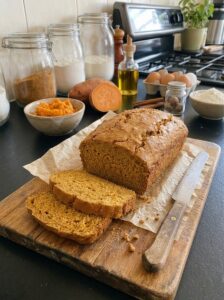
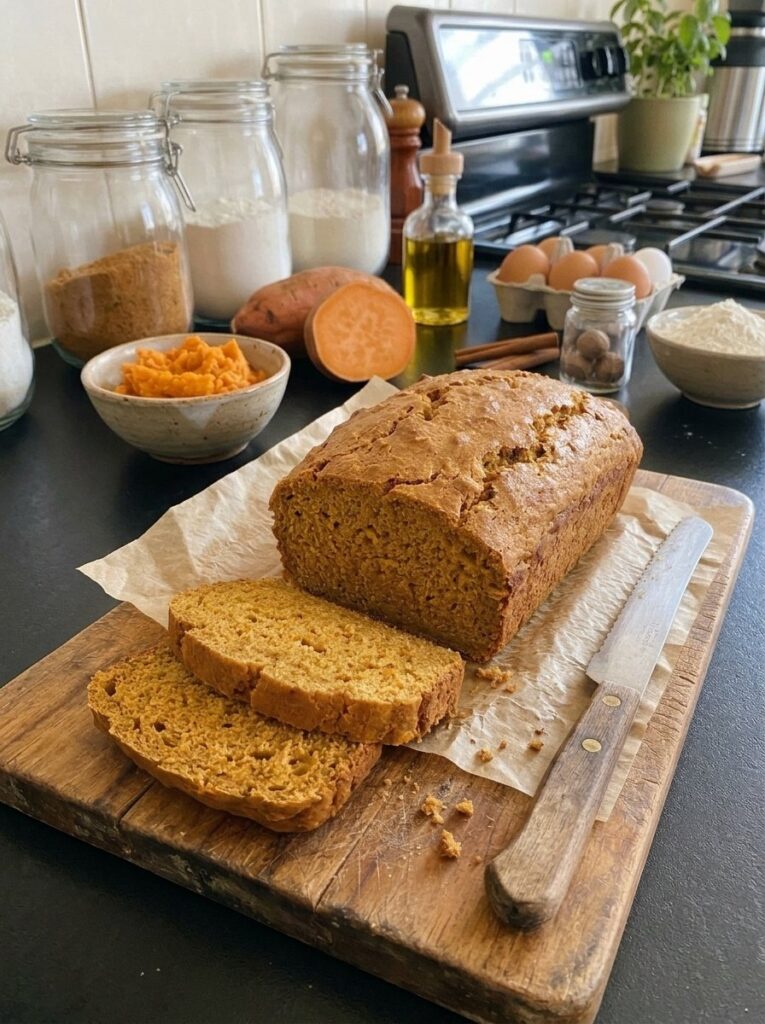
There is something wonderfully comforting about a warm slice of spiced quick bread. Now imagine that bread made with naturally sweet, creamy mashed sweet potato, fragrant cinnamon, and a hint of vanilla, and made without any gluten. That is exactly what this gluten-free sweet potato bread delivers. It is soft, moist, tender, and full of cozy flavor, with a lightly golden crust and a rich orange-tinted crumb.
Sweet potato does a lot of work in this recipe. It adds natural sweetness, moisture, and a velvety texture that gluten-free baked goods often lack. Many gluten-free breads turn out dry, crumbly, or dense, but the mashed sweet potato keeps this loaf tender for days. Combined with brown sugar, warm spices, and a gluten-free all-purpose flour blend, the result is a loaf that tastes like a treat but is simple enough for everyday baking.
This bread is perfect for breakfast, an afternoon snack, a lunchbox addition, or a dessert-style slice with tea or coffee. It is easy to make, uses everyday ingredients, and fits beautifully into fall and winter baking, though it is delicious year-round.
In this guide you will find the full recipe, an explanation of what each ingredient does, step-by-step directions, tips for the moistest loaf, flavor variations, serving ideas, storage and freezing advice, and answers to frequently asked questions.
What Makes This Sweet Potato Bread Special?
Here is why this recipe is worth saving:
- Naturally gluten-free. It uses a gluten-free all-purpose flour blend, so it works for people avoiding gluten.
- Incredibly moist. Mashed sweet potato keeps the crumb tender and soft.
- Naturally sweet. The sweet potato provides sweetness and color, so the loaf needs only a modest amount of brown sugar.
- Warm spice flavor. Cinnamon, vanilla, and optional nutmeg create a cozy, bakery-style aroma.
- Simple method. You mix wet ingredients, mix dry ingredients, combine, and bake.
- Customizable. Add walnuts, chocolate chips, or other mix-ins to make it your own.
- Great keeper. The loaf stays moist and holds up well in the refrigerator.
Ingredients for Gluten-Free Sweet Potato Bread
- 1 cup (250 g) mashed cooked sweet potato
- 2 cups (200 g) gluten-free all-purpose flour blend
- 2 large eggs
- 1/2 cup (120 ml) milk
- 1/4 cup (60 ml) melted coconut oil or olive oil
- 1/3 cup (70 g) brown sugar
- 2 teaspoons baking powder
- 1/2 teaspoon baking soda
- 1 teaspoon ground cinnamon
- 1/2 teaspoon salt
- 1 teaspoon vanilla extract
- 1/4 teaspoon ground nutmeg (optional)
- 1/4 cup (30 g) chopped walnuts (optional)
A Closer Look at the Ingredients
Mashed cooked sweet potato. Sweet potato is the heart of this bread. It provides moisture, natural sweetness, and a soft, almost custard-like crumb. You can bake, roast, steam, or boil the sweet potatoes until tender. Baking or roasting tends to concentrate the flavor and reduce excess water, which gives the best results. Remove the skin, mash the flesh until completely smooth, and let it cool before using. If your mashed sweet potato seems very wet, blot it gently with a paper towel so it does not make the batter too loose. About one medium to large sweet potato will yield the amount you need. Measure it by weight if possible for accuracy.
Gluten-free all-purpose flour blend. A good gluten-free blend is the structural backbone of the recipe. Choose a blend designed for baking that contains a mix of flours and starches, such as rice flour, potato starch, and tapioca starch. Many blends already include xanthan gum, which helps replace the binding action of gluten. Check the label. If your blend does not contain xanthan gum or a similar binder, the loaf may be more crumbly, and you can add about half a teaspoon of xanthan gum to the dry ingredients. Different brands absorb liquid differently, so the batter may vary slightly in thickness. For best results, use a measuring scale and a blend you trust.
Eggs. Eggs provide structure, richness, and lift. In gluten-free baking, they are especially important for binding the loaf and keeping it from crumbling.
Milk. Milk adds moisture and helps loosen the batter. Dairy milk or an unsweetened plant-based milk both work.
Melted coconut oil or olive oil. Oil keeps the crumb moist and tender. Coconut oil gives a slightly sweet, subtle coconut aroma, while olive oil adds a mild fruity richness. Let the oil cool slightly after melting so it does not cook the eggs when you whisk the wet ingredients together.
Brown sugar. Brown sugar adds a caramel-like sweetness and extra moisture. Because the sweet potato already contributes sweetness, only a third of a cup is needed.
Baking powder and baking soda. These two leaveners work together to lift the loaf and create a tender crumb. Make sure both are fresh, since old leaveners can lead to a dense loaf.
Ground cinnamon. Cinnamon is the signature spice here. It complements the sweet potato beautifully and gives the bread its warm, comforting aroma.
Salt. Salt balances the sweetness and enhances the other flavors.
Vanilla extract. Vanilla rounds out the flavor and adds a bakery-style depth.
Ground nutmeg (optional). A small pinch of nutmeg adds extra warmth and a classic baking spice note.
Chopped walnuts (optional). Walnuts add crunch, nutty flavor, and a pleasant contrast to the soft crumb. You can toast them lightly before adding for deeper flavor.
Equipment You Will Need
- A 9 by 5-inch loaf pan
- Parchment paper or nonstick spray
- Two mixing bowls
- A whisk and a spatula
- A fork or potato masher for the sweet potato
- Measuring cups and spoons, or a kitchen scale
- A wire cooling rack
Parchment paper is helpful for gluten-free breads because they can stick to the pan. Lining the loaf pan lets you lift the finished bread out cleanly.
How to Make Gluten-Free Sweet Potato Bread
Step 1: Preheat the Oven and Prepare the Pan
Preheat your oven to 350 degrees Fahrenheit (175 degrees Celsius). Grease a 9 by 5-inch loaf pan, or line it with parchment paper, leaving a little overhang on the long sides to help you lift the loaf out later.
Step 2: Cook and Mash the Sweet Potato
Cook the sweet potato until tender. You can bake it whole at 400 degrees Fahrenheit for about 45 to 60 minutes, microwave it until soft, steam it, or boil it. Once it is tender, remove the skin and mash the flesh until completely smooth. Let it cool before mixing. Warm sweet potato can partially cook the eggs and make the batter harder to handle. Make sure the mash is smooth and free of stringy bits, since lumps will show up in the finished loaf.
Step 3: Whisk the Wet Ingredients
In a large bowl, whisk together the mashed sweet potato, eggs, milk, melted oil, brown sugar, and vanilla extract. Whisk until the mixture is smooth, glossy, and well combined, with no streaks of egg or lumps of sweet potato.
Step 4: Combine the Dry Ingredients
In another bowl, whisk together the gluten-free flour blend, baking powder, baking soda, cinnamon, salt, and nutmeg, if using. Whisking evenly distributes the leaveners and spices so the loaf bakes evenly and every slice has the same flavor.
Step 5: Mix the Batter
Gradually add the dry ingredients to the wet mixture, stirring gently as you go. Stir until just combined and no dry pockets of flour remain. The batter will be thick but spoonable. Avoid overmixing, which can make the loaf dense.
Step 6: Add the Walnuts
Fold in the chopped walnuts, if using, until they are evenly distributed.
Step 7: Fill the Pan
Pour the batter into the prepared loaf pan and smooth the top with a spatula. Tap the pan gently on the counter to release any large air bubbles. If you like, sprinkle a few extra chopped walnuts or a pinch of cinnamon sugar on top.
Step 8: Bake
Bake for 45 to 55 minutes, or until a toothpick inserted into the center comes out clean. Start checking around 45 minutes, since ovens vary. If the top is browning too quickly before the center is set, tent the loaf loosely with foil for the remaining baking time.
Step 9: Cool in the Pan
Let the bread cool in the pan for 15 minutes. This allows it to set so it does not break when you move it.
Step 10: Cool Completely
Transfer the loaf to a wire rack and allow it to cool completely before slicing. Gluten-free breads continue to firm up as they cool, and slicing too soon can lead to a gummy or crumbly texture. Waiting until it is fully cool gives you neat, clean slices.
Tips for the Best Gluten-Free Sweet Potato Bread
- Mash the sweet potato until completely smooth. This prevents lumps and ensures an even texture.
- Cool the sweet potato before mixing. Hot puree can affect the eggs and batter.
- Do not use watery puree. If the mash seems wet, blot it or cook it a little longer to remove excess moisture.
- Use a quality gluten-free flour blend. Choose one designed for baking, and weigh it for accuracy.
- Check for xanthan gum. If your blend does not include a binder, add a little to prevent crumbling.
- Do not overmix. Stir only until the ingredients are combined.
- Let the loaf cool completely. This is especially important for gluten-free baking.
- Use fresh leaveners. Check the dates on your baking powder and baking soda.
- Slice with a serrated knife. A gentle sawing motion keeps slices neat.
- Toast leftovers. Toasting refreshes the texture and brings out the spices.
Flavor Variations and Add-Ins
This bread is easy to customize for different tastes and occasions.
Chocolate chip sweet potato bread. Fold in a quarter to a half cup of dairy-free or regular chocolate chips for a dessert-style loaf.
Pecan or walnut crunch. Add extra chopped nuts to the batter and sprinkle more on top.
Warm spice blend. Add a pinch of ground ginger, cloves, or allspice along with the cinnamon and nutmeg for a pumpkin-spice-style flavor.
Maple twist. Replace some of the brown sugar with maple syrup, and reduce the milk slightly to keep the batter from becoming too thin.
Raisin or cranberry version. Fold in a handful of raisins or dried cranberries for chewy sweetness.
Orange zest. Add a teaspoon of fresh orange zest for a bright citrus note that pairs beautifully with sweet potato.
Streusel topping. Combine a little brown sugar, cinnamon, chopped nuts, and a drizzle of melted oil, and sprinkle over the batter before baking.
Muffins. Spoon the batter into a lined muffin tin and bake for about 20 to 25 minutes, checking for doneness with a toothpick.
Simple glaze. Whisk powdered sugar with a little milk and vanilla and drizzle over the cooled loaf for a sweeter, dessert-like finish.
How to Serve Gluten-Free Sweet Potato Bread
This loaf is wonderfully versatile.
Spread with almond butter. Creamy almond butter pairs beautifully with the sweet, spiced crumb for a filling snack or breakfast.
Butter and honey. A little butter and a drizzle of honey on a warm slice is simple and delicious.
Toasted with cream cheese. Toast a slice until lightly crisp, then spread with cream cheese for a tangy, creamy contrast.
With coffee or tea. Serve it as an afternoon treat alongside your favorite warm drink.
With yogurt and fruit. Pair a slice with Greek yogurt and fresh berries for a balanced breakfast.
As dessert. Top a warm slice with a scoop of vanilla ice cream or a spoonful of whipped cream.
For brunch. Add it to a brunch spread with eggs, fruit, and bacon.
In lunchboxes. Slice and wrap individual servings for a convenient, allergen-conscious snack, keeping in mind that walnuts are a tree nut, so omit them if nut allergies are a concern.
Storage and Freezing
This bread is moist and keeps well, but it should be stored carefully.
- Cool completely first. Storing warm bread creates condensation and makes the loaf soggy.
- Refrigerate. Store the cooled loaf in an airtight container in the refrigerator for up to 5 days.
- Freeze for longer storage. Slice the cooled loaf, separate the slices with parchment paper, and freeze them in a freezer-safe bag or container. Frozen slices keep well for a couple of months.
- Thaw and reheat. Thaw slices at room temperature or toast them straight from the freezer. You can also warm them briefly in a 350 degrees Fahrenheit oven or in the microwave.
- Discard if spoiled. If you notice mold, an off smell, or a slimy texture, throw the bread away.
These times are general guidelines for homemade bread made with eggs, dairy, and fresh vegetables. When in doubt, follow safe food handling practices.
Frequently Asked Questions
Is this bread really gluten-free?
The recipe is made with a gluten-free flour blend and other ingredients that do not naturally contain gluten. If you have celiac disease or a serious gluten sensitivity, check the labels on your flour blend, baking powder, vanilla extract, and any add-ins, and look for products labeled gluten-free to avoid cross-contamination.
Can I use canned sweet potato or pumpkin puree?
Canned sweet potato puree can work if it is plain, unsweetened, and well drained. Pumpkin puree can also be used for a similar texture, though the flavor will be different. Avoid canned products labeled as pie filling, which contain added sugar and spices.
How many sweet potatoes do I need?
One medium to large sweet potato usually yields about one cup of mashed sweet potato. Weigh it if possible, since sizes vary.
What is the best way to cook the sweet potato?
Baking or roasting gives the best flavor and the least excess moisture. Steaming and boiling work too, but be sure to drain and blot the mashed potato if it seems wet.
Can I use a different gluten-free flour?
A gluten-free all-purpose flour blend meant for baking is best. Single flours such as almond flour, coconut flour, or oat flour behave differently and are not direct substitutes. If you want to experiment, expect to adjust liquid and baking time.
Why is my bread gummy in the middle?
Gumminess is often caused by underbaking, too much moisture in the sweet potato, or slicing the bread before it has cooled. Make sure a toothpick comes out clean from the center, blot very wet puree, and allow the loaf to cool completely.
Why is my bread crumbly?
Crumbliness can happen if the flour blend does not contain a binder like xanthan gum, or if the loaf was overbaked. Check your blend, measure carefully, and avoid baking longer than needed.
Why did my bread sink in the middle?
Sinking can result from underbaking, old leaveners, or opening the oven too early. Use fresh baking powder and baking soda, and wait until at least the final third of baking time to check the loaf.
Can I make it dairy-free?
Yes. Use an unsweetened plant-based milk and coconut oil or olive oil. Choose dairy-free chocolate chips or walnuts if you add mix-ins.
Can I make it egg-free?
Eggs are important for structure, especially in gluten-free baking. Egg substitutes may work, but the texture can change significantly, so expect some experimentation.
Can I reduce the sugar?
Yes. Sweet potato adds natural sweetness, so you can reduce the brown sugar slightly. The loaf will be less sweet and a bit less moist and browned.
Can I use coconut sugar or maple syrup?
Coconut sugar can replace brown sugar in a similar amount. Maple syrup can also work, though you may need to reduce the milk slightly to keep the batter from becoming too thin.
Can I make this into muffins?
Yes. Spoon the batter into a lined muffin tin and bake for about 20 to 25 minutes, or until a toothpick comes out clean.
Can I double the recipe?
Yes. Double all the ingredients and bake in two loaf pans, checking for doneness with a toothpick. Baking time may vary slightly.
Why Bake Your Own Gluten-Free Bread?
Store-bought gluten-free bread can be expensive and dry. Baking at home offers real advantages.
- Better texture. Sweet potato keeps this loaf moist and tender.
- Fewer additives. You know exactly what goes into your bread.
- Cost savings. A homemade loaf costs far less than most specialty gluten-free baked goods.
- Customizable flavor. You can add nuts, chocolate, spices, or fruit to suit your taste.
- Fresh and comforting. Nothing beats the smell of cinnamon bread baking in your own oven.
- Great for gifting. A wrapped loaf makes a thoughtful gift for friends and family, especially those who follow a gluten-free diet.
Nutrition Notes
Sweet potatoes are a good source of fiber and vitamin A, and they bring natural sweetness and moisture to baked goods. Eggs add protein, and walnuts, if you use them, contribute healthy fats. Because this is a sweetened quick bread, it is best enjoyed as a snack or treat in reasonable portions. Exact nutrition varies with the brands and types of ingredients you use. If you have allergies, dietary restrictions, or health conditions, read ingredient labels carefully and consult a qualified professional as needed.
Final Thoughts: A Cozy, Moist Loaf You Will Bake Again and Again
Gluten-free sweet potato bread proves that gluten-free baking can be soft, moist, and deeply satisfying. With creamy mashed sweet potato, a good gluten-free flour blend, warm cinnamon, and a touch of vanilla, you can bake a golden, tender loaf that tastes like pure comfort.
Mash the sweet potato until smooth, mix the batter gently, bake until a toothpick comes out clean, and let the bread cool completely before slicing. Then spread it with almond butter, toast it with cream cheese, or enjoy it warm with butter and honey.
Whether you are baking for a gluten-free diet or simply looking for a new favorite quick bread, this sweet potato loaf is a wonderful recipe to keep on hand. Give it a try, make it your own with walnuts or chocolate chips, and share it with someone who loves cozy, homemade baking.
Print
Gluten-Free Sweet Potato Bread: A Soft, Moist, Cinnamon-Spiced Loaf
Description
Soft, moist, naturally sweet, and incredibly delicious! This homemade gluten-free sweet potato bread is packed with cozy cinnamon flavor and made with simple ingredients. Perfect for breakfast, afternoon snacks, or a healthy homemade treat!
Ingredients
- 1 cup (250g) mashed cooked sweet potato
- 2 cups (200g) gluten-free all-purpose flour blend
- 2 large eggs
- ½ cup (120ml) milk
- ¼ cup (60ml) melted coconut oil or olive oil
- ⅓ cup (70g) brown sugar
- 2 tsp baking powder
- ½ tsp baking soda
- 1 tsp ground cinnamon
- ½ tsp salt
- 1 tsp vanilla extract
- ¼ tsp ground nutmeg (optional)
- ¼ cup (30g) chopped walnuts (optional)
Instructions
- Preheat your oven to 350°F (175°C). Grease a 9 × 5-inch loaf pan or line it with parchment paper.
- Cook the sweet potato until tender, remove the skin, and mash until completely smooth. Let it cool.
- In a large bowl, whisk together the mashed sweet potato, eggs, milk, melted oil, brown sugar, and vanilla.
- In another bowl, combine the gluten-free flour, baking powder, baking soda, cinnamon, salt, and nutmeg.
- Gradually add the dry ingredients to the wet mixture.
- Stir gently until combined, then fold in the chopped walnuts if desired.
- Pour the batter into the prepared loaf pan and smooth the top.
- Bake for 45–55 minutes, or until a toothpick inserted into the center comes out clean.
- Let cool in the pan for 15 minutes, then transfer to a wire rack.
- Allow to cool completely before slicing.