Why Make a Homemade Chicken Carrot Bowl for Your Dog?
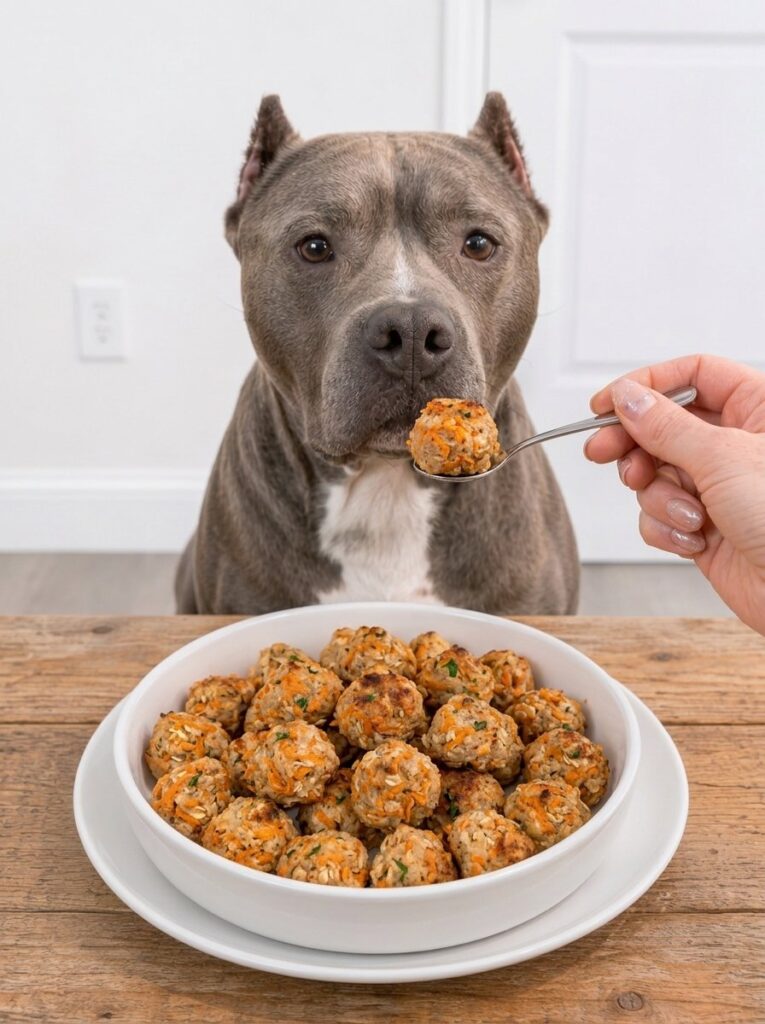
Few things make a dog owner happier than watching a dog dive into a bowl of food with total enthusiasm. If you have ever wanted to add a little homemade love to your pup’s mealtime, this chicken carrot comfort bowl is a wonderful place to start. It combines tender shredded chicken, sweet carrots, soft oats, and green beans into a warm, wholesome bowl made from just a handful of simple ingredients.
The recipe is designed to be gentle, plain, and easy to prepare. There is no seasoning, no salt, no onion, and no garlic. Everything is simply cooked until soft, shredded or diced into small pieces, and mixed together into a moist, comforting bowl. The result smells wonderful, looks appetizing, and is easy to portion, store, and freeze for later.
It also fits easily into a busy week. The whole recipe takes about 35 minutes from start to finish, and it makes five to six small portions that can be refrigerated or frozen. You can use it as a special treat meal, a tasty topper to mix into your dog’s regular food, or a comforting extra on days when you want to make mealtime feel special.
An important note before you begin: this recipe is a simple homemade bowl, not a complete and balanced diet on its own. Dogs need carefully balanced nutrients, including specific vitamins, minerals, calcium, and fats, that this recipe does not provide. Please talk to your veterinarian before changing your dog’s diet or using homemade food regularly. In this article you will find the full recipe, ingredient notes, step-by-step directions, safety guidance, portion tips, variations, storage and freezing advice, and answers to frequently asked questions.
What Makes This Dog Bowl Special?
Here is why this recipe is worth making:
- Only five main ingredients. Chicken breast, carrots, rolled oats, green beans, and water, with an optional teaspoon of olive oil.
- Plain and simple. No salt, no seasoning, no onion, and no garlic.
- Soft and easy to eat. Everything is cooked until tender, which makes the bowl easy to chew and enjoy.
- Quick to prepare. Ten minutes of prep and 25 minutes of cooking.
- Make-ahead friendly. The recipe yields five to six small portions that store well in the refrigerator or freezer.
- Flexible. It works as a meal topper, a special treat, or a comforting extra.
- Budget friendly. The ingredients are inexpensive and available at any grocery store.
Recipe Snapshot
- Prep time: 10 minutes
- Cook time: 25 minutes
- Total time: 35 minutes
- Yield: 5 to 6 small portions
Ingredients for Chicken Carrot Comfort Bowl for Dogs
- 1 lb (450 g) boneless, skinless chicken breast
- 1 cup (130 g) carrots, peeled and finely diced
- 1/2 cup (45 g) rolled oats
- 1/2 cup (65 g) green beans, chopped
- 1/2 cup (120 ml) water
- 1 teaspoon olive oil (optional)
A Closer Look at the Ingredients
Boneless, skinless chicken breast. Chicken is a lean, widely used protein in homemade dog food. Choose plain, fresh chicken breast with no seasoning, marinade, brine, or added flavorings. Remove all skin and bones, since cooked bones can splinter and cause serious injury, and skin adds unnecessary fat. Chicken is also a common food allergen for some dogs, so watch your dog for signs of itching, digestive upset, or other reactions.
Carrots. Carrots add natural sweetness, color, and fiber. Peel them and dice them finely, then cook them until soft so they are easy to chew and digest. Raw carrots can be hard for some dogs, especially small dogs and seniors, so cooked carrots are the safer choice for this bowl.
Rolled oats. Plain rolled oats cook into a soft, creamy base that helps bind the bowl together and adds fiber. Use plain, old-fashioned rolled oats, not flavored instant oatmeal packets, which often contain sugar, salt, and flavorings. Always cook the oats fully until soft.
Green beans. Green beans are a low-calorie vegetable that adds fiber, volume, and texture. Use plain fresh or frozen green beans with no salt, sauce, or seasoning. Avoid canned green beans unless they are labeled no salt added and thoroughly rinsed. Chop them into small pieces for easier eating.
Water. Water is used to simmer the chicken and cook the oats, and the warm cooking water can be stirred in at the end to create a soft, moist consistency.
Olive oil (optional). A small amount of olive oil adds a little healthy fat and a glossy finish. It is optional, and you can leave it out, especially for dogs who are overweight or sensitive to fat. Check with your veterinarian if your dog has pancreatitis or other conditions related to fat intake.
Important Dog Safety Notes
Before you start, keep these safety points in mind.
- Not a complete diet. This bowl does not contain all the nutrients dogs need over time. Use it as an occasional meal, a topper, or part of a diet planned with your veterinarian.
- Plain only. Do not add salt, pepper, butter, sauces, or seasonings.
- Avoid onions and garlic. Onions, garlic, chives, and leeks are harmful to dogs.
- No bones or skin. Use only boneless, skinless chicken.
- Cook chicken thoroughly. The chicken should reach 165 degrees Fahrenheit (74 degrees Celsius) internally.
- Cool completely before serving. Hot food can burn your dog’s mouth.
- Cut ingredients small. This is especially important for small dogs and dogs who gulp their food.
- Introduce gradually. Offer a small amount first and mix it with your dog’s regular food. A sudden change in diet can cause digestive upset.
- Watch for reactions. Stop feeding and contact your veterinarian if your dog shows vomiting, diarrhea, itching, swelling, or lethargy.
- Special health needs. Dogs with allergies, kidney disease, pancreatitis, diabetes, or other medical conditions may need a specific diet. Always check with your veterinarian.
- Practice kitchen hygiene. Raw chicken can carry bacteria. Wash your hands, cutting boards, and utensils thoroughly after handling it.
This article is for general information and is not a substitute for professional veterinary advice. Your veterinarian knows your dog best.
Equipment You Will Need
- A medium saucepan for the chicken
- A small saucepan for the oats
- A steamer basket or a pot with a lid for steaming vegetables
- A cutting board and knife
- A food thermometer
- Two forks for shredding
- A large mixing bowl
- Airtight containers for storage
How to Make Chicken Carrot Comfort Bowl for Dogs
Step 1: Cook the Chicken
Place the chicken breast in a saucepan and cover it with water. Bring to a gentle simmer and cook until the chicken is fully cooked and reaches 165 degrees Fahrenheit (74 degrees Celsius) internally. This usually takes about 15 to 20 minutes, depending on the thickness. Use a food thermometer to check the thickest part of the breast. Do not add salt or any seasoning to the water. Save some of the warm cooking water, since you can use it later to moisten the bowl.
Step 2: Prepare the Carrots
Peel the carrots and dice them into small pieces. Smaller pieces cook faster and are easier for dogs to chew and digest. Keep the pieces fairly uniform so they cook evenly.
Step 3: Cook the Vegetables
Steam the carrots and green beans until they are soft and tender. This usually takes about 8 to 12 minutes, depending on how small the pieces are. A fork should slide easily into a piece of carrot. Soft vegetables are easier to eat and gentler on your dog’s stomach.
Step 4: Prepare the Oats
In a separate saucepan, cook the rolled oats with water until they are soft and creamy. Stir occasionally to prevent sticking. Do not add milk, sugar, salt, or flavorings. Let the oats cool slightly before mixing them with the other ingredients.
Step 5: Shred the Chicken
Remove the chicken from the water and allow it to cool slightly. Once it is cool enough to handle, shred it into small, bite-sized pieces using two forks or your fingers. Check carefully for any bones or tough pieces and remove them. Finely shredded chicken is easier for dogs to eat and blends well with the other ingredients.
Step 6: Combine Everything
In a large bowl, mix the shredded chicken, cooked oats, carrots, and green beans. Stir gently until everything is evenly distributed. If you are using olive oil, drizzle in a teaspoon and mix it in.
Step 7: Add Moisture
Stir in a little warm cooking water if needed to create a soft, moist consistency. Add the liquid a spoonful at a time so the bowl does not become soupy. The texture should be moist and spoonable, not dry or crumbly.
Step 8: Cool and Serve
Let everything cool completely before serving an appropriate portion for your dog. Test the temperature with your finger to be sure it is not warm. Serve at room temperature or slightly cool, and refrigerate or freeze the remaining portions promptly.
Tips for the Best Chicken Carrot Bowl
- Use plain chicken. No skin, bones, or seasoning.
- Cook vegetables until very soft. Soft carrots and green beans are easier to chew and digest.
- Dice small. Smaller pieces are safer for small dogs and fast eaters.
- Use a thermometer. Confirm the chicken reaches 165 degrees Fahrenheit.
- Save the cooking water. It adds flavor and moisture without extra ingredients.
- Cool completely. Never serve hot food to a dog.
- Portion before storing. Dividing the batch into individual containers makes feeding and freezing easier.
- Introduce slowly. Mix a small amount into your dog’s usual food at first.
- Label your containers. Add the date so you know when to use or discard each portion.
Variations and Add-Ins
Always make sure any additions are safe for dogs and appropriate for your dog’s health. When in doubt, check with your veterinarian.
Pumpkin boost. Stir in a spoonful of plain pumpkin puree, not pumpkin pie filling, for extra fiber. Pumpkin is commonly used in dog food to support digestion.
Sweet potato swap. Replace some of the carrots with cooked, mashed sweet potato for a different flavor and texture.
Peas. Add a few plain cooked peas for extra color and variety.
Turkey instead of chicken. Plain, cooked, skinless, boneless turkey can substitute for chicken in a similar amount, which can be helpful if your dog does well with turkey.
Brown rice instead of oats. Plain, fully cooked brown or white rice can replace the oats for dogs who tolerate rice better.
Meal topper version. Use a spoonful or two as a topper over your dog’s regular food to add flavor and encourage picky eaters.
Avoid ingredients that are harmful to dogs, including onions, garlic, grapes, raisins, chocolate, macadamia nuts, xylitol, and heavily seasoned or fatty foods.
How to Serve and Portion the Bowl
The right serving size depends on your dog’s size, age, weight, activity level, and overall diet. Because this recipe is not complete and balanced, it is best used in measured amounts alongside a nutritionally complete dog food or as part of a plan made with your veterinarian.
- As a topper: Add a spoonful to your dog’s regular food, adjusting the amount of regular food to avoid overfeeding.
- As an occasional meal: Serve a small portion occasionally, and talk to your veterinarian about how it fits into your dog’s daily calories.
- For small dogs: Use very small portions and make sure all pieces are tiny.
- For large dogs: Larger portions may be appropriate, but still keep the bowl as a supplement rather than a regular full meal unless your veterinarian advises otherwise.
Watch your dog’s weight, energy, stool, and appetite when introducing homemade food. If anything seems off, pause and consult your veterinarian.
Storage and Freezing
Because this bowl contains cooked chicken and no preservatives, it needs careful storage.
- Refrigerator. Keep in airtight containers for up to 3 days.
- Freezer. Freeze individual portions for up to 2 months.
- Thawing. Thaw frozen portions overnight in the refrigerator and serve at room temperature. Do not thaw on the counter.
- Cool before storing. Let the bowl cool, then refrigerate or freeze it promptly. Do not leave cooked chicken sitting out for extended periods.
- Do not refreeze. Once thawed, use the portion within the refrigerator storage time and do not refreeze it.
- Discard if spoiled. If you notice an off smell, slimy texture, or any sign of spoilage, throw the food away.
These storage times are general guidelines. When in doubt, throw it out.
Frequently Asked Questions
Is this recipe a complete diet for my dog?
No. This bowl is a simple homemade recipe and does not provide all the nutrients dogs need over time. Use it as a topper, an occasional meal, or as part of a diet planned with your veterinarian or a board-certified veterinary nutritionist.
Is chicken safe for dogs?
Plain, fully cooked, boneless, skinless chicken is commonly fed to dogs and is considered safe for most. Some dogs have chicken allergies, so introduce it carefully and watch for reactions.
Are carrots safe for dogs?
Carrots are generally safe for dogs and are a common ingredient in dog food. Cooking and dicing them makes them easier to chew and digest.
Are oats safe for dogs?
Plain, fully cooked oats are generally safe for dogs in moderation. Avoid flavored instant oatmeal, which may contain sugar, salt, or artificial ingredients such as xylitol.
Are green beans safe for dogs?
Plain green beans are generally safe and are often used as a low-calorie vegetable in dog food. Avoid canned beans with added salt or seasoning, and chop them into small pieces.
Can I add salt or seasoning to improve the flavor?
No. Dogs do not need salt or seasoning, and many seasonings are harmful. Onion and garlic are especially dangerous. Keep the recipe plain.
Can I use chicken thighs instead of breasts?
Chicken thighs are fattier, which may be too rich for some dogs. If you use them, remove all skin, bones, and excess fat, and check with your veterinarian, especially if your dog has a sensitive stomach or a history of pancreatitis.
Can I use frozen vegetables?
Yes, as long as they are plain frozen vegetables with no added salt, sauces, or seasonings. Cook them until soft.
Can I use leftover chicken from my own dinner?
Only if it is plain and unseasoned. Chicken cooked with salt, garlic, onion, butter, or spices is not suitable for this recipe.
Can puppies eat this bowl?
Puppies have specific nutritional needs for growth. Please check with your veterinarian before offering homemade food to a puppy.
Can senior dogs eat this bowl?
The soft texture can be a good fit for many senior dogs, but individual needs vary. Talk to your veterinarian, especially if your dog has kidney, heart, or digestive concerns.
How do I know if my dog is reacting badly to the food?
Watch for vomiting, diarrhea, constipation, itching, swelling, excessive gas, loss of appetite, or unusual lethargy. If you see any of these, stop feeding the food and contact your veterinarian.
Can I double the recipe?
Yes. Double all the ingredients, use a larger pot, and divide the batch into more containers. Make sure the chicken still reaches 165 degrees Fahrenheit.
How many portions does this recipe make?
The recipe yields about five to six small portions. The actual number depends on how large you make each portion and on your dog’s size.
Why Make Homemade Dog Meals?
Store-bought dog food is convenient and, when complete and balanced, is a reliable foundation for most dogs. Homemade additions like this bowl can be a lovely complement.
- Fresh ingredients. You can see and choose exactly what goes into the bowl.
- Simple and plain. There are no additives, artificial flavors, or unfamiliar ingredients.
- A tasty mealtime boost. Many dogs enjoy the aroma and texture of warm, homemade food.
- Great for picky eaters. A spoonful as a topper can make regular food more appealing.
- A way to show love. Cooking for your dog is a rewarding way to care for them.
- Easy to batch and freeze. Preparing portions ahead saves time during the week.
Nutrition Notes
Chicken provides lean protein, carrots and green beans add fiber and some vitamins, and oats contribute fiber and carbohydrates. A small amount of olive oil adds fat. However, this bowl is not formulated to meet all of a dog’s nutritional requirements, such as calcium, essential fatty acids, and other vitamins and minerals. If you plan to feed homemade food regularly, consult your veterinarian or a board-certified veterinary nutritionist to create a complete and balanced plan for your dog.
Final Thoughts: Homemade Comfort in Every Bite
The chicken carrot comfort bowl for dogs is a simple, wholesome way to add a little homemade love to your pup’s mealtime. With shredded chicken, soft carrots, creamy oats, and tender green beans, it is warm, plain, and easy to make in just 35 minutes.
Keep the ingredients plain, cook the chicken to 165 degrees Fahrenheit, cool everything completely, and serve appropriate portions. Store leftovers in the refrigerator for up to three days or freeze individual portions for up to two months. And remember that this bowl is a supplement, not a complete diet, so check with your veterinarian about how it fits into your dog’s overall nutrition.
Prepare a batch, divide it into portions, and enjoy watching your four-legged family member dig in. Your pup will be sure to say thank you with a wagging tail.
Print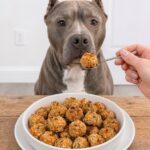
Chicken Carrot Comfort Bowl for Dogs: A Simple Homemade Meal Topper Your Pup Will Love
Description
A warm, wholesome, and delicious homemade bowl your furry best friend will absolutely love! This Chicken Carrot Comfort Bowl combines tender shredded chicken, sweet carrots, soft oats, and green beans for a simple, tasty dog-friendly meal. Every spoonful is packed with natural flavors and made with easy-to-find ingredients. Perfect for adding a little homemade love to your pup’s mealtime!
Ingredients
- 1 lb (450 g) boneless, skinless chicken breast
- 1 cup (130 g) carrots, peeled and finely diced
- ½ cup (45 g) rolled oats
- ½ cup (65 g) green beans, chopped
- ½ cup (120 ml) water
- 1 teaspoon olive oil (optional)
Instructions
- Cook the chicken: Place chicken breast in a saucepan with water and simmer until fully cooked, reaching 165°F (74°C) internally.
- Prepare the carrots: Peel and dice the carrots into small pieces.
- Cook the vegetables: Steam the carrots and green beans until soft and tender.
- Prepare the oats: In a separate saucepan, cook the rolled oats with water until soft and creamy.
- Shred the chicken: Allow the chicken to cool slightly, then shred it into small, bite-sized pieces.
- Combine everything: In a large bowl, mix the shredded chicken, cooked oats, carrots, and green beans.
- Add moisture: Stir in a little warm cooking water if needed to create a soft, moist consistency.
- Cool and serve: Let everything cool completely before serving an appropriate portion for your dog.