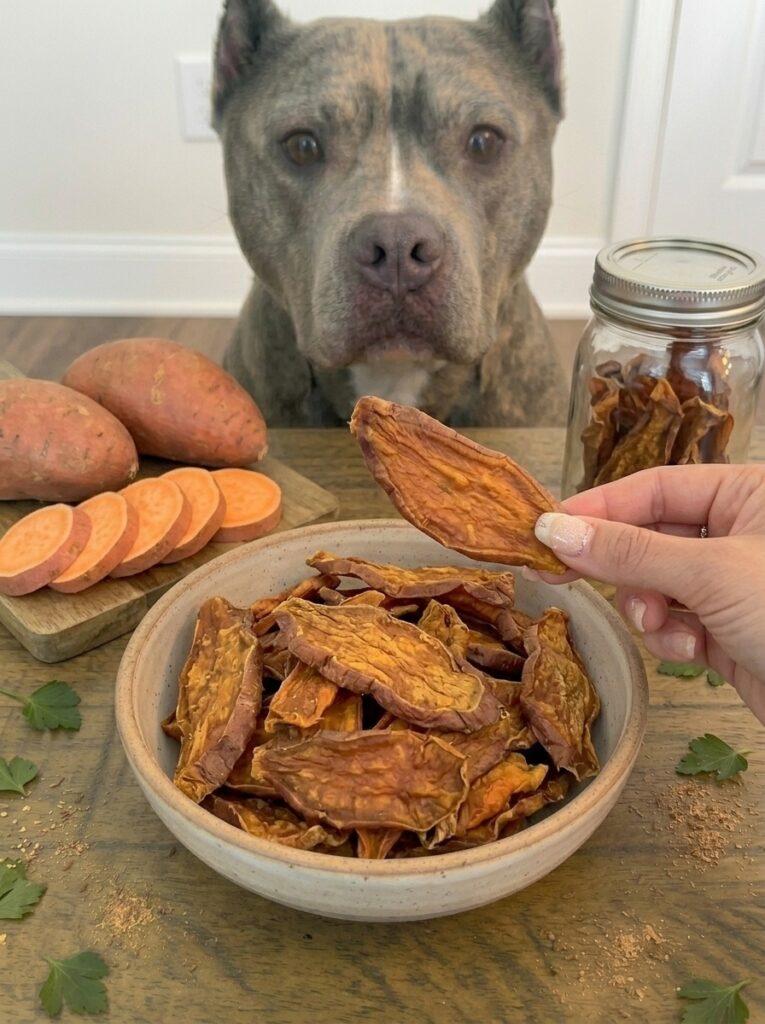
If you’ve ever stood in the pet food aisle squinting at an ingredient list you can barely pronounce, you already know why so many dog owners are turning to homemade treats. Sweet potato dog chews are one of the simplest, safest, and most rewarding treats you can make for your dog — and the best part is that they require just one core ingredient. No preservatives, no mystery meat, no fillers. Just a naturally sweet, fiber-rich vegetable transformed into a chewy, satisfying snack that dogs genuinely love.
In this guide, we’ll walk through everything you need to know about making sweet potato dog chews at home: why they’re such a great choice, the exact method for getting that perfect chewy texture, storage tips, safety guidelines, and answers to the most common questions dog owners ask about this treat. Whether you’re making these for the first time or looking to perfect your technique, this article has you covered.
Why Sweet Potato Dog Chews Are a Dog Owner Favorite
Sweet potatoes have become a staple in both human and canine nutrition circles, and for good reason. Unlike many store-bought dog chews that rely on rawhide, artificial flavoring, or processed byproducts, sweet potatoes offer a clean, whole-food alternative that’s easy on the digestive system and genuinely nutritious.
1. Simple, Recognizable Ingredients
One of the biggest draws of homemade sweet potato chews is the ingredient list — or rather, how short it is. At its core, this recipe needs nothing but sweet potato. No chemical preservatives, no added sugars, no artificial colors. If you want to add a small, dog-safe sprinkle of cinnamon for extra aroma, you can, but it’s entirely optional. This kind of transparency is hard to find in most commercial treats.
2. Naturally Nutrient-Dense
Sweet potatoes aren’t just a “filler” vegetable — they’re genuinely good for dogs in moderation. They contain dietary fiber that supports healthy digestion, beta-carotene (which the body converts into vitamin A) for eye and skin health, and a range of other vitamins and minerals including vitamin C, vitamin B6, potassium, and manganese. The natural sugars in sweet potatoes also give these chews a mild sweetness that dogs find appealing without needing any added sugar.
3. Gentle on Sensitive Stomachs
Many dogs — particularly those with food sensitivities or allergies to common proteins like chicken or beef — do well with sweet potato-based treats. Because the recipe uses a single plant-based ingredient, it’s a great option to test out for dogs who react poorly to more complex treats or chews.
4. Satisfying Chew Factor
Dogs love to chew, and the slow-baking process used in this recipe creates a naturally chewy, slightly leathery texture that mimics the appeal of jerky-style treats. This makes sweet potato chews a great alternative to rawhide, which has raised safety concerns among veterinarians due to choking and digestive blockage risks.
5. Budget-Friendly and Long-Lasting
A couple of large sweet potatoes can produce a generous batch of chews for a fraction of the cost of a bag of specialty dog treats. Because the slices are dehydrated slowly in the oven, they also last longer than fresh treats, especially when stored properly.
What You’ll Need to Make Sweet Potato Dog Chews
Ingredients
- 2 large sweet potatoes — Look for firm, unblemished sweet potatoes with smooth skin. Organic is a nice option if you plan to leave the skin on.
- Optional: A tiny sprinkle of cinnamon — Only use this if your dog has tolerated cinnamon before. Never substitute or mix up cinnamon with nutmeg, which is toxic to dogs even in small amounts.
That’s genuinely all you need. No oils, no salt, no flour, no binders. This is about as close to “whole food” as a dog treat can get.
Equipment
- A sharp knife or mandoline slicer (for even, consistent slices)
- A cutting board
- A baking sheet
- Parchment paper
- An oven
Having a mandoline slicer on hand can make a big difference here — uneven slices will dry at different rates, which can lead to some pieces being perfectly chewy while others are still too soft or already too hard.
Step-by-Step Instructions for Perfect Sweet Potato Chews
Step 1: Preheat Your Oven
Set your oven to a low temperature of 250°F (120°C). This might feel unusually low if you’re used to typical baking temperatures, but low and slow is the entire secret to this recipe. You’re not baking the sweet potatoes so much as slowly dehydrating them, which is what creates that signature chewy texture rather than a soft, mushy one.
Step 2: Wash and Prep the Sweet Potatoes
Scrub the sweet potatoes thoroughly under running water to remove any dirt or residue, especially if you plan to leave the skin on. The skin is perfectly safe for dogs to eat and actually contains additional fiber, so peeling is optional. If you prefer a softer final texture or your dog has a sensitive digestive system, feel free to peel them first.
Step 3: Slice Into Even Strips
Using a sharp knife or mandoline, cut the sweet potatoes into long strips approximately ¼-inch thick. Consistency is key here — try to keep every piece as close in thickness as possible. This ensures they all dry and chew evenly during baking, rather than ending up with a mix of overcooked and undercooked pieces. You can cut them into long strips (great for larger dogs) or smaller rounds and chips (better for small breeds or puppies).
Step 4: Arrange on a Parchment-Lined Baking Sheet
Line your baking sheet with parchment paper to prevent sticking and make cleanup easier. Lay the sweet potato slices out in a single layer, making sure none of the pieces overlap. Overlapping slices will trap moisture and prevent even drying, which can lead to soft spots or even mold if the chews aren’t dried thoroughly enough before storage.
Step 5: Bake Low and Slow
Place the baking sheet in the oven and bake for 2½ to 3½ hours. Flip each piece halfway through the baking time to ensure even drying on both sides. The exact time will depend on how thick your slices are and how “chewy” versus “crispy” you prefer the final product. Thinner slices will dry faster and may end up closer to a crisp texture, while thicker slices will stay chewier.
Keep an eye on the chews during the last 30–45 minutes, as ovens vary and you don’t want them to burn. You’re looking for a deep orange color, a slightly leathery texture, and edges that have curled slightly.
Step 6: Cool Completely
This step matters more than it might seem. Sweet potato chews will feel softer straight out of the oven than they actually are — they firm up significantly as they cool. Resist the urge to package or store them while still warm. Let them cool completely on the baking sheet or a wire rack, which usually takes about 30 minutes to an hour.
Step 7: Store Properly
Once fully cooled, transfer the chews to an airtight container and store them in the refrigerator for up to one week. Because there are no preservatives in this recipe, refrigeration is important for keeping them fresh and safe. If you’d like to extend their shelf life further, you can freeze a portion of the batch (more on that below).
Tips for Getting the Perfect Texture Every Time
Making sweet potato dog chews is simple, but a few small adjustments can make a big difference in the final result.
- Slice thickness controls chewiness. Thinner slices (closer to ⅛-inch) will dry faster and produce a crispier, jerky-like chew. Thicker slices (closer to ⅜-inch) stay softer and chewier but take longer to bake.
- Don’t rush the bake time. It can be tempting to raise the oven temperature to speed things up, but doing so risks burning the outside while leaving the inside undercooked and moist — which shortens shelf life and can create a texture dogs may not enjoy.
- Check for doneness by feel, not just time. Every oven runs a little differently, so start checking around the 2-hour mark. The chews should feel firm and slightly leathery, with no visible moisture or sponginess.
- Rotate your baking sheet. If your oven has hot spots, rotating the tray halfway through (in addition to flipping the slices) helps everything dry more evenly.
- Size treats to your dog. For small dogs or puppies, cut thinner, narrower strips that are easier to chew and less likely to pose a choking hazard. Larger dogs can handle thicker, longer strips.
Can You Add Flavor Variations?
Because this recipe is intentionally minimal, there’s a temptation to jazz it up — but caution is important here. Many common kitchen ingredients that are safe or even beneficial for humans can be harmful to dogs.
If you want to experiment beyond the plain sweet potato base, here are a few dog-safe ideas:
- A light dusting of cinnamon — Cinnamon is generally considered safe for dogs in small amounts and adds a warm aroma, but always confirm your individual dog tolerates it well, and never confuse it with nutmeg, which is toxic.
- A small amount of plain, unsweetened pumpkin puree brushed lightly on the slices before baking (in place of cinnamon, not combined) can add extra fiber and a different flavor profile — just note this will change the drying time slightly due to added moisture.
- Mixing with other dog-safe root vegetables like carrots or parsnips, sliced and baked the same way, can add variety to your treat rotation.
What you should avoid entirely: salt, sugar, butter, oils, garlic, onion, or any seasoning blends — even ones marketed as “seasoning salt” or “savory blends” that seem harmless. These are common ingredients in human snacks but can range from mildly upsetting to seriously toxic for dogs.
Sweet Potato Dog Chews: Safety Guidelines Every Owner Should Know
Homemade treats are wonderful, but it’s worth taking a moment to go over some important safety considerations.
Keep It Plain
The golden rule of dog treats is simplicity. Plain sweet potato, with nothing added beyond an occasional dusting of dog-safe cinnamon, is the safest formula. Avoid seasoning blends, butter, oils, or sweeteners of any kind — even “natural” ones like honey or maple syrup can upset a dog’s digestive system or contribute to weight gain over time.
Never Use Nutmeg
This bears repeating because the two spices are so often stored side by side in kitchen cabinets: cinnamon and nutmeg are not interchangeable when it comes to dog treats. Nutmeg contains a compound called myristicin, which can cause toxic reactions in dogs, including disorientation, elevated heart rate, and in significant quantities, more serious symptoms. Always double check your spice jar before adding anything to a treat batch.
Watch Portion Sizes
Even healthy treats should make up no more than about 10% of a dog’s daily caloric intake, according to general veterinary guidance. Sweet potatoes, while nutritious, are also fairly calorie- and carbohydrate-dense compared to some other treat options, so these chews are best given as an occasional reward rather than a free-for-all snack.
Introduce Gradually
If your dog hasn’t had homemade treats before, or hasn’t eaten sweet potato specifically, start with a small piece and monitor for any signs of digestive upset, such as vomiting or loose stool. Every dog’s tolerance is a little different.
Supervise Chew Time
As with any chew treat, it’s a good idea to supervise your dog while they’re eating, especially the first few times. This lets you see how they chew the treat, whether they tend to gulp large pieces, and whether the size and thickness you’ve prepared is appropriate for their chewing style.
Consider Your Dog’s Health Conditions
Dogs with diabetes or those on a strict low-carbohydrate or low-glycemic diet should only have sweet potato treats with veterinary guidance, since sweet potatoes are relatively high in natural sugars and carbohydrates compared to many other vegetables.
How Long Do Homemade Sweet Potato Chews Last?
Because this recipe skips artificial preservatives, storage matters. Once completely cooled, sweet potato chews should be kept in an airtight container in the refrigerator, where they’ll stay fresh for up to about one week.
If you’d like a longer-lasting supply, you have two solid options:
- Freeze a portion of the batch. Sweet potato chews freeze well for up to a few months. Portion them into freezer-safe bags or containers, and thaw individual servings in the refrigerator as needed.
- Dry them further for a shelf-stable version. If you extend the baking time and fully dehydrate the slices until they’re hard and brittle rather than chewy, they’ll last longer at room temperature. Just note this changes the texture from a soft chew to more of a crunchy chip, which some dogs prefer just as much.
Always inspect stored chews before giving them to your dog — if you notice any off smell, visible mold, or unusual sliminess, discard them.
Frequently Asked Questions About Sweet Potato Dog Chews
Can puppies eat sweet potato chews? Yes, in most cases sweet potato is a gentle, easily digestible treat suitable for puppies, but portion size and texture matter. Cut thinner, smaller pieces for puppies and always supervise chewing, especially for young dogs still learning how to eat treats safely.
Do I need to peel the sweet potatoes first? No, peeling is optional. The skin is safe for dogs and adds extra fiber, but if your dog has a sensitive stomach or you simply prefer a different texture, peeling is perfectly fine.
Why are my chews too hard or too soft? This usually comes down to slice thickness and bake time. Thicker slices need more time in the oven, while thinner slices dry faster and can become brittle if left in too long. If your batch turned out too soft, they likely need more time; if they’re rock hard, try slightly thicker slices next time or reduce the baking time slightly.
Can I make these in a dehydrator instead of an oven? Yes, a food dehydrator works well for this recipe and can sometimes produce more consistent results since dehydrators are designed for exactly this kind of low, even drying. Follow your dehydrator’s manufacturer guidance for vegetable settings, typically somewhere in a similar low-temperature range.
Are sweet potato chews better than rawhide? Many veterinarians and pet owners consider sweet potato chews a gentler alternative to rawhide, since rawhide has been linked to digestive blockages and choking risks in some dogs. Sweet potato chews are also easier to digest and made from a single, recognizable ingredient.
How many chews can I give my dog per day? This depends on your dog’s size, activity level, and overall diet, but as a general guideline, treats — including these chews — should make up no more than about 10% of daily caloric intake. For most dogs, one to a few small pieces a day is a reasonable amount.
Final Thoughts
Sweet potato dog chews prove that some of the best treats don’t need a long ingredient list or complicated process — just a little patience and a low oven temperature. With just sweet potatoes and an optional touch of cinnamon, you can create a treat that’s wholesome, budget-friendly, and something your dog will genuinely look forward to.
Whether you’re transitioning away from store-bought treats with questionable ingredients, looking for something gentle on a sensitive stomach, or simply want a fun weekend project with your pup in mind, this recipe is a great place to start. Slice, bake low and slow, cool completely, and store properly — and you’ll have a batch of healthy, homemade chews ready to reward your best friend.
If your pup gives these two paws up, save this recipe for your next batch, and consider sharing it with another dog parent who might be looking for a simple, trustworthy homemade treat option.
Print
Sweet Potato Dog Chews: The Ultimate Guide to Making Healthy, 3-Ingredient Homemade Dog Treats
Description
Looking for a simple, healthy homemade treat for your pup? These Sweet Potato Dog Chews are made with just one ingredient—sweet potato! They’re naturally tasty, chewy, and perfect for a satisfying snack.
Ingredients
- 2 large sweet potatoes
- Optional: A tiny sprinkle of cinnamon (only if your dog tolerates it; never use nutmeg)
Instructions
- Preheat oven to 250°F (120°C).
- Wash and scrub the sweet potatoes thoroughly. You can peel them or leave the skin on if they’re well washed.
- Slice into long strips about ¼-inch thick. Try to keep the pieces similar in size.
- Arrange the slices in a single layer on a parchment-lined baking sheet.
- Bake for 2½–3½ hours, flipping halfway through, until the pieces are dried and chewy.
- Cool completely before serving. They will become firmer as they cool.
- Store in an airtight container in the refrigerator for up to 1 week.